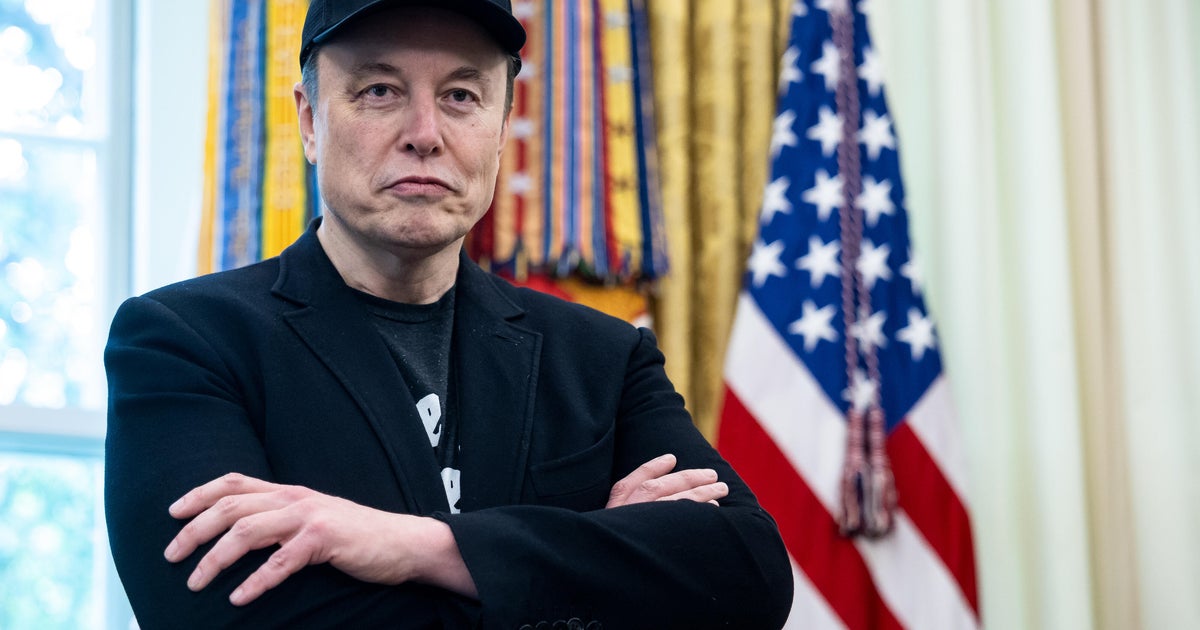
Elon Musk's Politics Under Scrutiny as Tesla's European EV Sales Dip
In the vibrant and rapidly expanding European electric vehicle (EV) market, a noticeable shift is occurring within the tesla ev division. Once a dominant force and a symbol of innovation, Tesla is now reportedly facing significant sales challenges across the continent. While market dynamics and anticipated product refreshes always play a role, a growing chorus of observers and analysts attributes a substantial portion of this downturn to the controversial political stances and public persona of its CEO, Elon Musk.
Europe has consistently been at the forefront of EV adoption, with many countries offering substantial incentives and consumers demonstrating a strong environmental consciousness. Yet, amidst this fertile ground for EV growth, Tesla's market share has seen a notable decline in key regions. This article delves into the various factors at play, examining how Musk's political endorsements might be impacting consumer perception and, ultimately, the bottom line for Tesla in Europe.
The Evolving European EV Landscape and Tesla's Shifting Fortunes
The European market for electric vehicles is booming. In January 2024, the overall EV market saw a robust 53% increase year-on-year. This growth, however, has not been uniformly beneficial for all players. While many brands are capitalizing on the heightened demand, Tesla has faced an uphill battle. Germany, a cornerstone of the European automotive industry and a major EV market, presents a stark illustration of this trend. Tesla's market share in the country plummeted from an impressive 23% in January 2023 to a mere 3.7% last month. This substantial drop of approximately 60% year-on-year, against a backdrop of overall market expansion, raises serious questions about the brand's current trajectory.
UBS analysts have highlighted Tesla as a "big loser of share in January," despite the positive growth in battery electric vehicle (BEV) sales. This underperformance in a thriving market suggests that factors beyond general EV demand are at play. The competitive landscape in Europe has also intensified significantly. Domestic European brands now offer a diverse array of attractive EV models, many of which are not available in the U.S. market. Vehicles like the popular Skoda Enyaq crossover provide consumers with compelling alternatives, adding pressure on Tesla to maintain its competitive edge.
To understand the depth of this challenge, it's insightful to consider the broader market trends affecting Tesla. For a more detailed look at the German situation, you can read our analysis on Tesla's European Market Share Plummets Amid Germany's EV Boom.
Deciphering the "Osborne Effect" and Brand Reputation
When analyzing sales fluctuations in the automotive industry, particularly for a brand known for innovation, one common explanation is the "Osborne Effect." This phenomenon describes a situation where an impending product refresh or a new model announcement causes potential customers to delay purchases of current models, leading to a temporary sales slump. In Tesla's case, the news of an upcoming refresh for its critically important Model Y, reportedly just weeks away, could certainly be contributing to some degree of sales decline. Devoted early adopters might indeed be holding out for the limited-edition Launch Series expected in March, hoping to be among the first to own the updated version.
However, many analysts and market observers suggest that the Osborne Effect may only be a minor contributor to Tesla's current European sales woes. The profound drop in market share, especially in Germany, points to deeper issues beyond temporary purchasing delays. While official, detailed sales figures for all 31 European markets from ACEA are awaited, the drip-feed of data from key countries, including non-EU nations like the UK, Norway, and Switzerland, paints a concerning picture.
The prevalent view is that the primary concern lies with the CEO's increasingly frayed reputation and the negative publicity surrounding Elon Musk. In a market teeming with alternatives, even the slightest perceived negative attribute can deter a prospective buyer. When consumers have a wide variety of high-quality EV options from reputable brands, a company's leadership and its public image become significant factors in the purchasing decision. For a comprehensive look at these two competing theories, see Osborne Effect vs. Musk's Views: Decoding Tesla's European Sales.
The Political Dimension: Elon Musk's Influence on Consumer Choice
This brings us to the most contentious, yet increasingly cited, reason for Tesla's struggles in Europe: Elon Musk's public political endorsements, particularly his alignment with what many perceive as far-right ideologies. In Europe, especially in countries like Germany with profound historical sensitivities related to fascism, such political leanings can have a particularly strong and negative impact on public perception and consumer trust.
The ethical dimensions of purchasing decisions are often heightened when it comes to EVs, which are frequently seen as a more environmentally conscious and progressive choice. For many European consumers, aligning their purchase with a brand whose leader expresses views that contradict their personal values or societal norms can be a significant deterrent. This is particularly true in a market where numerous alternatives exist, allowing consumers to "vote with their wallets" for brands that better reflect their own principles.
Consider the broader implications for brand management. In today's interconnected world, a CEO's personal brand is inextricably linked to the company's brand. While some consumers may compartmentalize, a growing number integrate a company's leadership ethics and public statements into their overall perception of the brand. For a brand like Tesla, which built its early success on innovation, sustainability, and a somewhat counter-cultural appeal, a shift towards more conservative or controversial political affiliations by its leader risks alienating a significant portion of its original customer base.
The UK Anomaly: A Glimpse into Political Divides
A compelling piece of evidence supporting the political influence hypothesis comes from the United Kingdom. Unlike many continental European nations, the UK has shown a different pattern in Tesla sales. Here, Elon Musk's political views, particularly his support for figures like Nigel Farage and the Reform Party, appear to resonate more widely. This political alignment in the UK is reportedly closer to his level of support in the U.S.
Indeed, in a month where overall EV sales in the UK soared by 41%, Tesla's volumes dropped by a comparatively minor 7.8%. This stark contrast to the dramatic declines observed on the European continent suggests that local political sentiment plays a crucial role. Where Musk's politics are more accepted or even popular, the negative impact on sales appears to be significantly mitigated. This regional disparity strongly indicates that Musk's public political persona may be a driving force behind the steeper sales declines observed across mainland Europe, where the historical and societal aversion to certain political ideologies remains pronounced decades later.
For Tesla, this presents a unique challenge: how to navigate a global market where a CEO's individual political expression can have such varied and profound regional consequences. It underscores the importance for global brands to understand the nuanced cultural and political sensitivities of each market they operate in, particularly when a leader's voice is so prominent.
Navigating a Competitive Market: Beyond Brand Loyalty
The era where Tesla held an almost unchallenged position in the premium EV market in Europe is seemingly drawing to a close. The increasing availability of diverse, high-quality electric models from established European automakers means that consumers are no longer bound by limited choices. This intensified competition means that brand loyalty, while still important for some, is not as potent a shield against declining sales as it once was.
For the tesla ev division, this shift necessitates a renewed focus on product innovation, competitive pricing, and perhaps a more localized approach to brand messaging. In a market with abundant alternatives, even a "slightest cause," as the reference context notes, can be enough for a brand to be deselected during a purchase. This highlights the cumulative effect of factors like perceived leadership controversies, potential product refresh delays, and the sheer volume of new, compelling EV models from competitors.
Practical Takeaways for EV Buyers and Industry Watchers:
- Evaluate Beyond the Hype: For prospective EV buyers, it's crucial to look beyond brand reputation and assess vehicle performance, range, charging infrastructure, and after-sales service independently.
- Consider Brand Values: If the ethical stance or political leanings of a company's leadership are important to you, research their public positions and compare them with your personal values.
- Diversifying Choices: The market offers an unprecedented range of EVs. Explore options from various manufacturers before making a decision. Don't limit yourself to a single brand.
- Stay Informed: Keep an eye on sales figures and market share trends. These metrics can reveal how different brands are performing in the competitive EV landscape.
Conclusion
Tesla's sales challenges in Europe are a complex interplay of market dynamics, competitive pressures, and the increasingly influential factor of brand perception tied to its CEO's public image. While the anticipated Model Y refresh may contribute to some temporary purchase delays, the more significant narrative unfolding is the growing connection between Elon Musk's political endorsements and declining customer appeal, particularly in continental Europe. The contrasting sales performance in the UK offers a compelling indication that the CEO's politics are indeed playing a significant role in shaping consumer behavior across different European regions.
As the European EV market continues to mature and diversify, the tesla ev division faces a critical juncture. The success of its upcoming Model Y refresh and any new entry-level models will be crucial, but so too will be its ability to navigate the intricate landscape of consumer sentiment, where brand values and leadership ethics are increasingly weighed alongside product innovation and performance. For Tesla, understanding and adapting to these evolving consumer priorities will be key to reclaiming its momentum in one of the world's most vital EV markets.