Tesla, a pioneer in the electric vehicle (EV) revolution, is facing unprecedented challenges in one of its most critical growth markets: Europe. Recent data reveals a significant nosedive in sales and market share across the continent, prompting industry analysts and consumers alike to question the underlying causes. Is this decline merely a temporary blip, an manifestation of the so-called Osborne Effect, where customers delay purchases ahead of an anticipated product refresh? Or is it a more profound consequence of CEO Elon Musk's increasingly polarizing public persona, particularly his endorsement of far-right politics in a historically sensitive region? Decoding these factors is crucial for understanding the future trajectory of the Tesla EV division in Europe.
The Shifting Tides of Tesla's European Performance
For years, Europe was a fertile ground for Tesla, with its strong emphasis on sustainability and a rapidly expanding EV market. However, the narrative has dramatically shifted. The most stark illustration of this downturn comes from Germany, a nation at the heart of European automotive manufacturing and a burgeoning EV adopter. In January 2023, Tesla commanded a robust 23% of the German EV market share. Fast forward to last month, and that figure had plummeted to a mere 3.7%, a staggering 60% year-on-year sales decline. This collapse occurred despite an impressive 53% increase in the overall German EV market during the same period.
UBS analysts have voiced significant concern, warning that "Tesla has been a big loser of share in January, despite strong positive (battery electric vehicle) growth." This underperformance in a growing market signals a deeper issue for the Tesla EV division, indicating that their struggles are not simply a reflection of a shrinking pie, but rather a loss of appetite among consumers for their specific offering. While detailed, continent-wide figures from ACEA (Europe’s automaker lobby group) will provide full clarity by February 25th, the drip-feed of negative sales data from EV-friendly countries like the UK, Norway, and Switzerland paints a consistent picture of decline.
The severity of this decline suggests that multiple headwinds are buffeting Tesla. In a market where environmental consciousness is high and purchasing decisions are often deeply personal, the brand's image and its alignment with consumer values are paramount. The contrast between Tesla's plummeting share and the overall EV market's robust growth underscores the unique challenges the company now faces.
The Osborne Effect: A Delay or a Distraction?
One prevalent theory for Tesla's recent sales slump is the Osborne Effect. This phenomenon, named after the Osborne Computer Corporation which suffered from prematurely announcing a superior new product, suggests that consumers delay purchasing existing models in anticipation of an upcoming, improved version. In Tesla's case, the mid-January announcement of an imminent refresh for its critically important Model Y – the company's best-selling vehicle – could certainly be a contributing factor.
It's plausible that some of Tesla's more devoted early adopters, known for their eagerness to possess the latest technology, are holding off on purchases. They might be waiting for the rumored "Project Juniper" (the Model Y refresh), hoping to secure a limited-edition Launch Series in March. This strategic delay, while understandable from a consumer perspective, can create a temporary dip in current sales figures. However, the Osborne Effect typically results in a *temporary* sales hiatus followed by a surge once the new product is released. The question remains whether the observed drastic declines are solely attributable to this effect, or if other, more systemic issues are at play.
For the Tesla EV division, managing product refreshes is always a delicate balance. Clear communication about release dates, feature sets, and potential pricing strategies can either mitigate or exacerbate the Osborne Effect. Offering incentives on current models before a refresh, for example, could help clear inventory and soften the sales blow. Yet, the depth and breadth of Tesla's European sales decline suggest that this phenomenon might only be a small piece of a much larger, more complex puzzle.
Elon Musk's Political Stance: The Elephant in the Showroom?
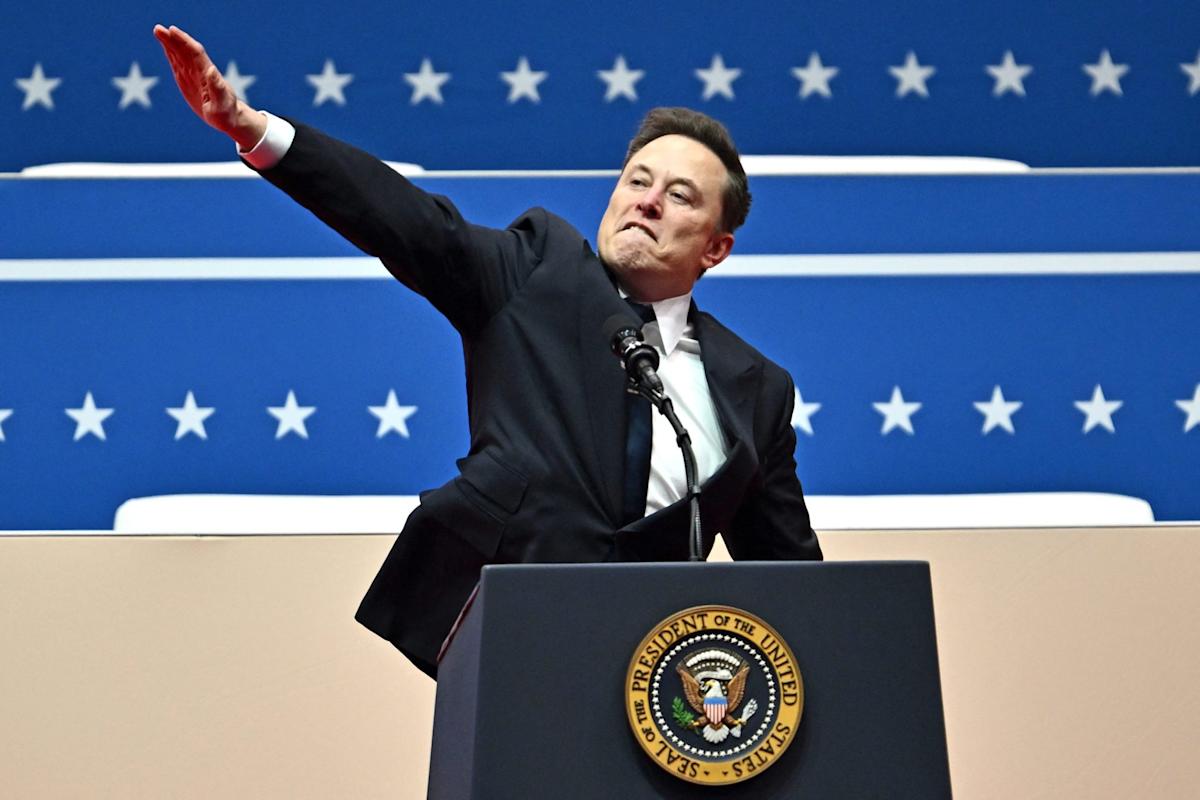
Perhaps the most contentious, yet compelling, explanation for Tesla's European woes centers on CEO Elon Musk's increasingly visible and often controversial political views. His "full-throated endorsement of Europe's far right" is increasingly being cited as a primary driver for cratering sales, as his personal brand becomes inextricably linked with the brand identity of the Tesla EV division.
In many parts of continental Europe, particularly Germany, the rise of far-right politics carries significant historical baggage and cultural sensitivity. Decades after the fascist past, strong societal aversion to such ideologies persists. For consumers in these regions, aligning with a brand whose leader openly supports these movements can be a deal-breaker, especially when purchasing a high-value item like an electric car. The "fraying reputation" of the CEO directly translates into negative brand perception, making it difficult for the company to attract buyers whose values clash with Musk's public statements.
A revealing data point comes from the UK, where Musk’s far-right politics are reportedly more widely embraced. Here, his preferred Reform Party, led by Trump ally Nigel Farage, enjoys substantial popularity. Coincidentally, Tesla's sales volumes in the UK dropped by a comparatively minor 7.8% in the same month, despite a 41% increase in overall EV sales. While still a decline, this is significantly less severe than the 60% plummet observed in Germany. This stark contrast strongly suggests that Musk's political leanings are indeed playing a substantial, if not driving, role behind the far steeper declines observed on the continent.
The Competitive Landscape and Consumer Choice
Musk's political influence is particularly costly in the current European market environment. Unlike the relatively limited EV selection often seen in the U.S., Europe boasts a vibrant and diverse array of domestic EV models. Brands like Skoda offer popular alternatives such as the Enyaq crossover, alongside offerings from Volkswagen, BMW, Mercedes-Benz, and Stellantis brands. When consumers have so many high-quality alternatives to choose from, even the "slightest cause" can be a reason to not consider a particular brand during a purchase decision.
In a saturated market, brand image, perceived values, and even the public persona of a company's leadership become potent differentiators. Consumers are not just buying a car; they are buying into a brand's ethos. If that ethos, as interpreted through its leader, conflicts with their personal values, they have ample choice to take their business elsewhere. This makes the erosion of trust and goodwill due to Musk's politics an even more critical threat to the Tesla EV division in Europe than it might be in markets with less competition or different cultural sensitivities.
Navigating the Future: Strategies for Tesla in Europe
To reverse the current trend, the Tesla EV division must implement a multi-faceted strategy that addresses both the product cycle and brand perception challenges. Firstly, while the Model Y refresh is eagerly awaited, Tesla needs to manage its launch with precision, potentially offering compelling incentives for early adopters or those who opted to wait. This could help capitalize on pent-up demand.
Secondly, and perhaps more crucially, Tesla needs to find a way to mitigate the impact of Elon Musk’s personal brand on the company’s reputation. This is a delicate task, but strategies could include:
- Re-emphasizing core values: Focusing PR and marketing efforts on Tesla’s mission of accelerating the world’s transition to sustainable energy, rather than the CEO’s personal opinions.
- Empowering regional leadership: Giving more autonomy and public visibility to European leadership who can connect with local markets and values.
- Community engagement: Investing in local initiatives that resonate with European environmental and social concerns.
Furthermore, expanding its product portfolio beyond its current limited offerings in Europe is essential. The potential for a new, more affordable entry-level model would open up a significant new customer segment, potentially diluting the impact of brand perception issues among premium buyers. Ultimately, Tesla's success in Europe will depend not just on innovative technology, but on its ability to adapt its brand narrative to resonate with the distinct cultural and political sensitivities of the European consumer.
In conclusion, while the Osborne Effect may account for a fractional delay in purchases of the current Model Y, the scale of Tesla's European sales decline strongly suggests a more profound issue at play. Elon Musk's public political endorsements appear to be significantly alienating a substantial portion of the environmentally conscious, values-driven European consumer base. As competition in the EV market intensifies, the premium Tesla EV division cannot afford to ignore the powerful interplay between brand, leadership, and regional socio-political sentiment. The upcoming Model Y refresh and the eventual introduction of new models will be critical, but true recovery will hinge on Tesla's ability to repair its reputation and reconnect with the core values of its European audience.